
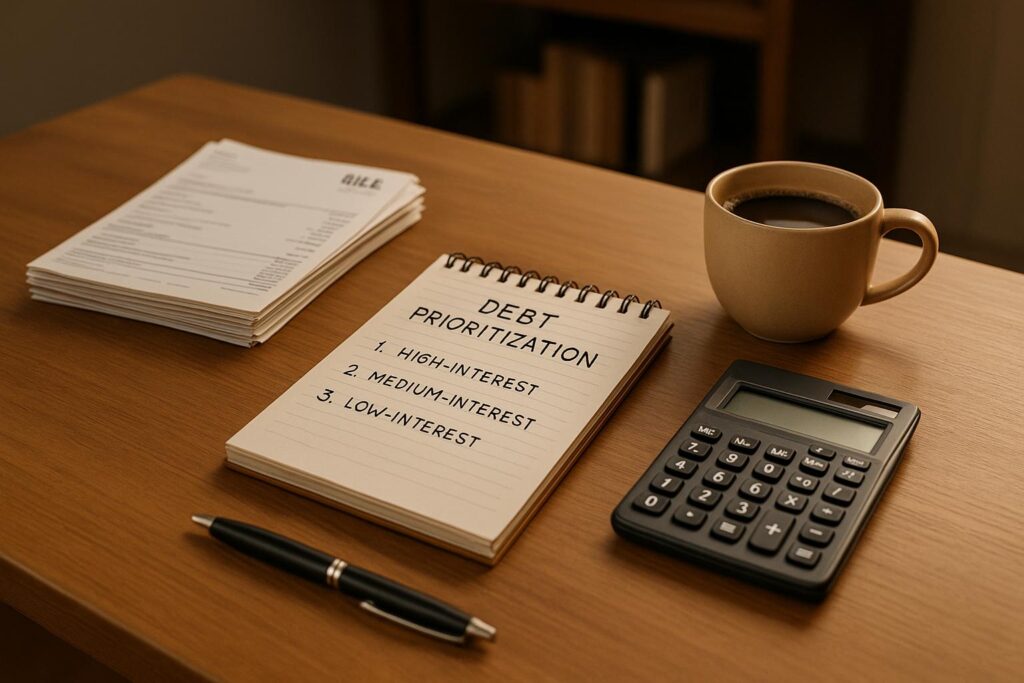
Managing debt can feel overwhelming, but having a clear plan can make all the difference. Debt prioritization is about organizing your debts and tackling them in a specific order to save money, reduce stress, and gain financial control. Here’s what you need to know:
- What is Debt Prioritization?
It’s a method of paying off debts based on factors like interest rates and balances. The goal is to focus your efforts where they will have the most impact. - Why It Matters:
Without a plan, high-interest debts (like credit cards) can spiral out of control, costing you more over time. A structured approach can also improve your credit score and reduce financial anxiety. - How to Start:
- List all your debts, including balances, interest rates, and minimum payments.
- Identify extra funds you can use for debt payments.
- Choose a repayment method that suits your goals.
- Main Methods:
- Debt Avalanche: Pay off the highest-interest debt first to save on interest.
- Debt Snowball: Tackle the smallest balances first for quick wins and motivation.
- Debt Consolidation: Combine multiple debts into one payment for simplicity.
- Stay on Track:
- Make at least minimum payments on all debts.
- Adjust your budget to free up more money for debt repayment.
- Build a small emergency fund to handle unexpected expenses.
Debt prioritization isn’t just about paying off what you owe – it’s about building a path to financial freedom. Whether you choose the avalanche or snowball method, the key is consistency and tracking your progress. By staying committed, you can reduce stress, save money, and achieve your financial goals.
How Do I Prioritize My Debts?
Main Methods for Debt Prioritization
Once you’ve organized your list of debts, it’s time to choose a repayment strategy. Each method has its own approach to reducing interest and speeding up progress. The key is to pick the one that aligns with your financial situation and personal preferences.
The Debt Avalanche Method
The debt avalanche method focuses on tackling the costliest debts first. Here’s how it works: you make the minimum payments on all your debts, then direct any extra money toward the debt with the highest interest rate. Once that’s paid off, you move to the next highest-rate debt, and so on.
This approach is all about minimizing interest costs. For example, if you have a credit card charging 24.99% APR and a personal loan with a 12% APR, your focus would be on the credit card – even if the loan has a larger balance. By targeting high-interest debts, you can save hundreds or even thousands of dollars over time.
This method is especially effective if your debts have widely varying interest rates. For instance, if you’re juggling high-interest credit card debt alongside lower-rate student loans or car loans, the avalanche method can make a noticeable difference in your overall costs.
However, patience is key. Paying off a high-interest debt with a large balance can take months, and this can feel discouraging if you’re someone who needs quick wins to stay motivated. If that’s the case, the debt snowball method might be a better fit.
The Debt Snowball Method
The debt snowball method takes a different approach. Instead of focusing on interest rates, you prioritize debts with the smallest balances. Once you pay off the smallest debt, you roll those payments into the next smallest balance, creating a “snowball effect.”
The biggest advantage here is psychological. Paying off smaller debts quickly gives you a sense of accomplishment, which can help you stay motivated throughout the repayment process. Each cleared debt frees up more money to tackle the next one, making your progress feel tangible and rewarding.
This method works particularly well if you have several small debts or if you thrive on seeing quick results. For many people, this sense of momentum is the push they need to stick with their plan.
The downside? You’ll likely pay more in interest compared to the avalanche method, since you’re not prioritizing high-interest debts. But for those who value motivation over cost savings, the trade-off can be worth it.
If simplifying your payments is your main goal, debt consolidation might be the way to go.
How Debt Consolidation Works
Debt consolidation simplifies your finances by rolling multiple debts into a single loan or credit account. This can be done through options like a personal loan, balance transfer credit card, or home equity loan. Instead of managing multiple payments with varying due dates and interest rates, you’ll have just one monthly payment to handle.
The primary benefit is simplicity. Having one payment reduces the chance of missing due dates, and if you qualify for a lower interest rate, you might save money and pay off your debt faster.
For example, balance transfer credit cards often come with promotional 0% APR offers for 12 to 21 months. During this period, your payments go entirely toward the principal, not interest. However, these cards typically charge a balance transfer fee of 3% to 5% of the amount transferred.
Personal loans for consolidation offer fixed interest rates and predictable repayment terms, usually ranging from two to seven years. This makes budgeting easier and ensures you’ll be debt-free by a specific date – provided you stick to the plan.
Still, there are risks. Extending your repayment period can lead to paying more in total interest, and there’s always the danger of racking up new debt. Debt consolidation works best when paired with a commitment to change spending habits and avoid future debt.
You can also mix and match strategies to suit your needs. For instance, you might start with the snowball method to knock out a few small debts for motivation, then switch to the avalanche method to tackle larger, high-interest debts. The best debt repayment plan is the one you can stick with consistently until you’re debt-free.
Tools and Resources for Debt Management
Managing debt can feel overwhelming, but the right tools can make the process smoother and more manageable. Whether you prefer tech-savvy apps or a simple spreadsheet, the key is to find resources that fit your lifestyle and align with your repayment strategy. These tools can help you stay organized, track your progress, and remain committed to your financial goals.
Budgeting Apps and Spreadsheets
Budgeting tools take the guesswork out of managing your finances. Apps like Mint connect directly to your bank accounts and credit cards, automatically categorizing your transactions and showing your debt balances in real time. Another popular choice, YNAB (You Need A Budget), encourages you to assign every dollar a purpose before spending, helping you stay on top of your debt repayment plan.
If you prefer a more hands-on approach, creating a custom spreadsheet in Google Sheets or Microsoft Excel can be a powerful option. You can track details like creditor names, current balances, minimum payments, interest rates, and due dates. Many pre-designed templates also include built-in calculators for methods like the debt snowball or avalanche, making it easier to plan and monitor your progress.
Debt Calculators
Once you’ve got a handle on your budget, debt calculators can help you fine-tune your repayment strategy. These online tools estimate how long it will take to pay off your debt and how much interest you’ll pay under different scenarios. For instance:
- Debt avalanche calculators focus on saving money by targeting high-interest debts first.
- Debt snowball calculators prioritize paying off smaller balances quickly to build momentum.
- Balance transfer calculators account for fees (typically 3%–5%) and promotional rates, helping you evaluate whether consolidating your debt makes sense.
By experimenting with different inputs, you can identify the approach that best fits your budget and long-term financial goals.
Steps To Be Debt Free Platform
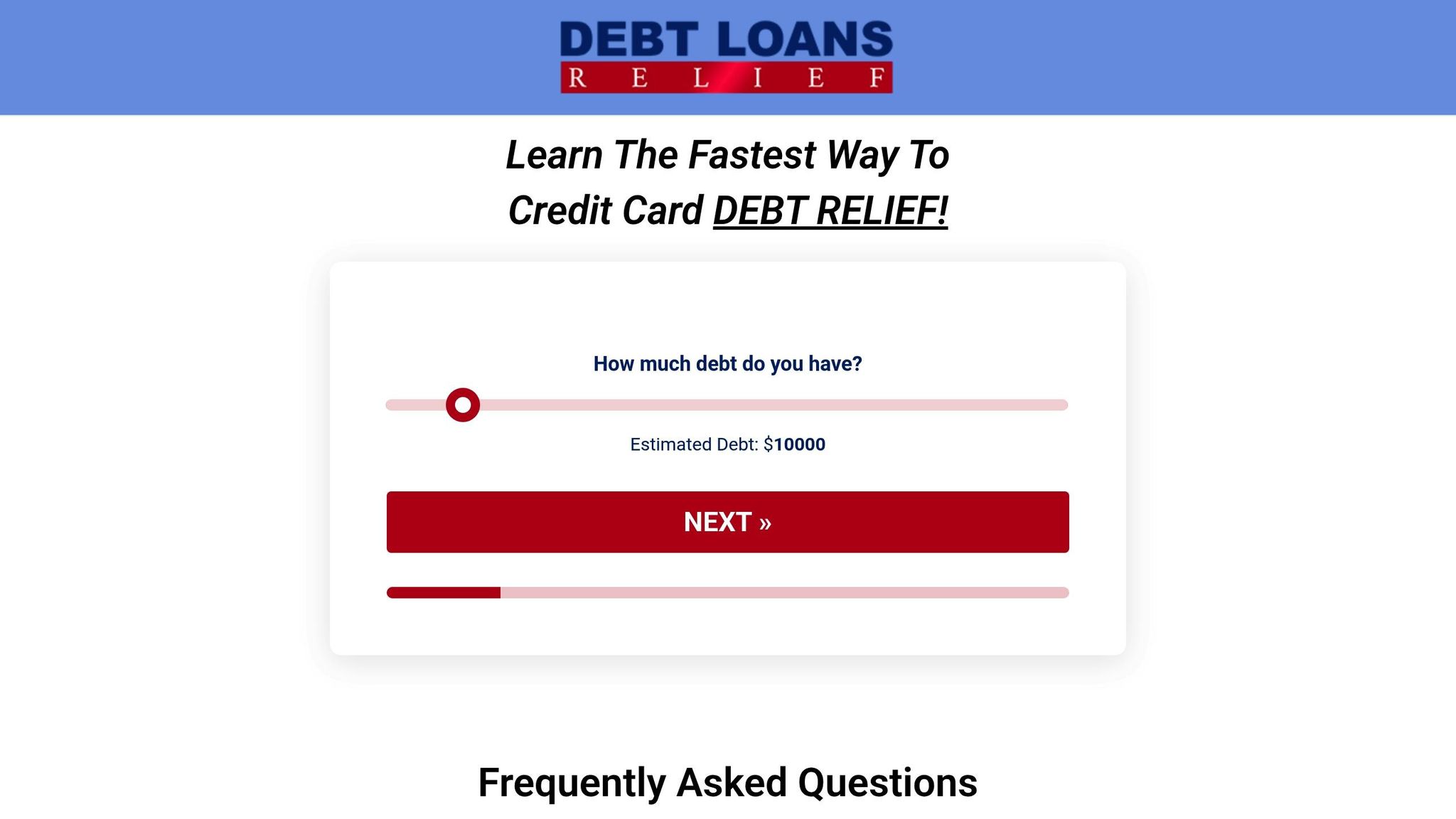
The Steps To Be Debt Free platform offers a structured approach to tackling your debt. With an intuitive system for entering your debt and payment details, it provides personalized debt relief guidance tailored to your unique situation. One standout feature is the free consultation, which offers actionable advice on prioritizing and managing your debts effectively.
This platform bridges the gap between general financial advice and a customized repayment plan. By combining a step-by-step evaluation with targeted recommendations, it helps you focus on the specific actions needed to regain control of your finances.
Using these tools consistently, along with the debt prioritization methods we’ve covered earlier, can help you stay on track and motivated as you work toward achieving financial freedom.
sbb-itb-2a9374f
Tips for Staying on Track
Sticking to a debt prioritization plan takes commitment and a bit of strategy. It’s easy to lose steam when obstacles pop up, but these tips can help you stay focused and keep moving toward your financial goals.
Make Consistent Payments
Always pay at least the minimum amount due on all your debts each month. This avoids late fees, penalty interest rates, and potential damage to your credit score. Missing payments can trigger penalty APRs, which make your debt more expensive.
To avoid missing due dates, consider setting up automatic payments that align with your payday. This ensures you’re consistently chipping away at your balances. Pair this with a refined spending plan so every dollar you earn pushes you closer to becoming debt-free.
Adjust Your Budget
Your budget is the backbone of your debt repayment plan, so it’s worth revisiting regularly. Take a close look at your recurring expenses, like subscription services, and cancel anything you no longer need or use. This can free up money to put toward your debts.
When you pay off one debt, don’t just pocket the extra cash – redirect those funds to tackle your next priority or to build up your emergency savings. This keeps your momentum going and maximizes your progress.
Plan for Unexpected Expenses
Even the best plans can be derailed by surprise expenses, so it’s smart to have a safety net. Build a small emergency fund – somewhere between $500 and $1,000 – to handle unexpected costs without relying on credit.
Keep this savings in a separate account to reduce the temptation to dip into it for non-emergencies. Having proper insurance – like health, auto, and homeowners or renters insurance – can also shield you from major financial setbacks.
Once a debt is fully paid off, take the amount you were paying and either boost your emergency fund or apply it to the next debt in line. This approach helps you stay on track and maintain steady progress, even when life throws you a curveball.
Building a Long-Term Debt Plan
Creating a debt repayment plan that works over the long haul takes more than just picking a strategy and sticking to it. Life happens – unexpected expenses, changes in income, and other curveballs can throw you off course. That’s why it’s important to build a plan that can adjust to life’s twists and turns while keeping you focused on your ultimate goal: becoming debt-free. A long-term approach builds on earlier strategies and sets you up for lasting financial stability.
Set Clear Financial Goals
Every successful debt repayment journey starts with clear, specific goals. Begin by defining what being debt-free means to you. Is it paying off high-interest credit cards in 18 months? Clearing your student loans in five years? Writing down both short-term milestones and long-term objectives gives your plan direction.
Short-term goals help you build momentum. For example, you might aim to pay off a small balance within six months or reduce your overall debt by $5,000 in a year. Long-term goals keep you focused on the bigger picture, like improving your credit score from 620 to 750 or freeing up $800 a month to save for retirement.
Be specific and time-bound with your goals. Instead of saying, "I want to pay off debt faster", commit to something like, "I will pay off my $3,200 credit card balance by December 31st by making $300 monthly payments." This kind of clarity makes it easier to track your progress and adjust your budget as needed.
Think about what becoming debt-free will allow you to achieve. Maybe it’s buying a home, starting a family, or launching your dream business. These larger life goals can keep you motivated when sticking to your debt plan feels tough or when you’re tempted to spend on non-essentials.
Monitor and Adjust Your Strategy
A debt plan isn’t something you set and forget – it needs regular check-ins. Dedicate time every month to review your progress, update your balances, and see if your strategy is still working.
Track your debt balances consistently. If you notice you’re falling behind, don’t give up – adjust your plan. This could mean finding new income sources, cutting back on expenses, or extending your repayment timeline to make it more manageable.
Life changes often require tweaks to your strategy. For instance, if you get a raise, consider putting the extra income toward your debt instead of upgrading your lifestyle. On the flip side, if you face a job loss or a medical emergency, you might need to scale back payments temporarily while you regain stability.
"It’s important to stay flexible during the debt repayment process, so be prepared to adjust your priorities as needed." – Equifax
Review your budget quarterly to ensure it reflects your current financial situation. As you pay off one debt, redirect those payments to your next priority or to building an emergency fund. This approach helps you maintain momentum and maximize progress over time. Regular reviews ensure your plan evolves with your circumstances while keeping you aligned with your goals.
Stay Flexible and Focused
The best debt repayment plans combine flexibility with a steady focus on the end goal. Life will throw challenges your way – unexpected bills, income changes, or moments of doubt. Planning for flexibility from the start helps you navigate these hurdles without losing sight of your progress.
Start by building a $1,000 cash buffer for unexpected expenses. This prevents you from relying on credit cards when your car needs repairs or a medical bill pops up. Once you’ve established this buffer, aim for a full emergency fund covering three to six months of essential expenses. Having this safety net means you can handle major life events, like job loss, without completely derailing your debt plan.
Create a budget that balances debt repayment with contributions to your emergency fund. Leave some room for small discretionary spending to avoid feeling deprived, which can lead to burnout. A flexible budget ensures you can stay on track without resorting to credit for everyday needs.
During tough times, focus on making minimum payments until things stabilize. Once your situation improves, you can return to your more aggressive repayment strategy. The key is not letting temporary setbacks turn into long-term delays.
If you’re feeling overwhelmed or unsure about your plan, consider seeking help from nonprofit credit counseling agencies. These organizations can help you create a personalized debt management plan, negotiate with creditors, or provide financial advice to get you back on track.
Conclusion: Achieving Financial Freedom Through Debt Prioritization
Taking control of your debt is a powerful step toward shaping a more secure financial future. In this guide, we’ve covered strategies, tools, and shifts in mindset that can help transform the stress of debt into a clear, actionable plan.
When it comes to repayment, two key methods stand out. One focuses on saving money by tackling high-interest debts first, while the other builds momentum with quick wins by paying off smaller balances early. The choice depends on what motivates you most – whether it’s financial savings or the psychological boost of early victories.
A solid plan is only part of the equation; having the right tools makes a big difference. Tools like Steps To Be Debt Free simplify the process by helping you assess your debt and create a customized repayment strategy. These resources can be the foundation of your journey to financial freedom.
As mentioned earlier, being flexible is crucial. Building an emergency fund, regularly reviewing your progress, and adjusting your approach are all signs of smart, proactive planning. Life is unpredictable, and changes in income or unexpected expenses are bound to happen. Flexibility doesn’t mean failure – it’s a necessary part of staying on track.
Debt prioritization does more than reduce interest and financial stress – it creates opportunities. Whether your goal is buying a home, starting a business, or simply enjoying the peace of mind that comes with financial stability, every prioritized payment brings you closer to that vision. Each step forward reinforces your control, reflecting the strategies we’ve discussed here.
FAQs
Which is better for me: the debt avalanche or debt snowball method?
When deciding between the debt avalanche and debt snowball methods, it really comes down to your financial priorities and what keeps you motivated.
The debt avalanche approach focuses on tackling debts with the highest interest rates first. This strategy can save you more money over time since you’re reducing the amount of interest you pay overall. It’s a smart choice if cutting costs is your main goal.
On the flip side, the debt snowball method targets your smallest debts first. By knocking out these smaller balances quickly, you can enjoy a series of "wins" early on. These victories can give you a confidence boost and keep you energized as you work toward becoming debt-free.
Think about what matters most to you – saving money or staying motivated. Your financial situation and personal preferences will guide you toward the method that’s best for your journey.
How can I stay motivated to pay off debt when progress feels slow?
Sticking with debt repayment can feel tough, especially when progress seems to crawl. One way to stay on track is to monitor your progress regularly. Even small victories can boost your motivation. Try using visual aids like a progress chart or a vision board – they’re great for keeping your goals and reasons for tackling debt front and center.
Another helpful approach is to break your debt into smaller, more manageable chunks. Hitting those smaller milestones can make the whole process feel less daunting. And don’t forget to celebrate each win, no matter how minor it seems. The reward doesn’t have to cost much – opt for something simple that makes you happy. Above all, remember that staying consistent is what matters most. Every little step gets you closer to achieving financial freedom.
How can budgeting apps and debt calculators help me prioritize and pay off my debt effectively?
Budgeting apps are a handy way to streamline your financial planning. They let you monitor your income, expenses, and debt payments in real time, making it easier to manage your money and stay organized. Meanwhile, debt calculators are excellent for estimating how long it’ll take to pay off your debts. They can also help you pinpoint the best repayment strategies, like tackling high-interest debts first to save money over time.
When you combine these tools, you can build a clear, actionable plan to prioritize your debts, stay on track, and move confidently toward a debt-free future.
